First edition TexConnect brings industry together
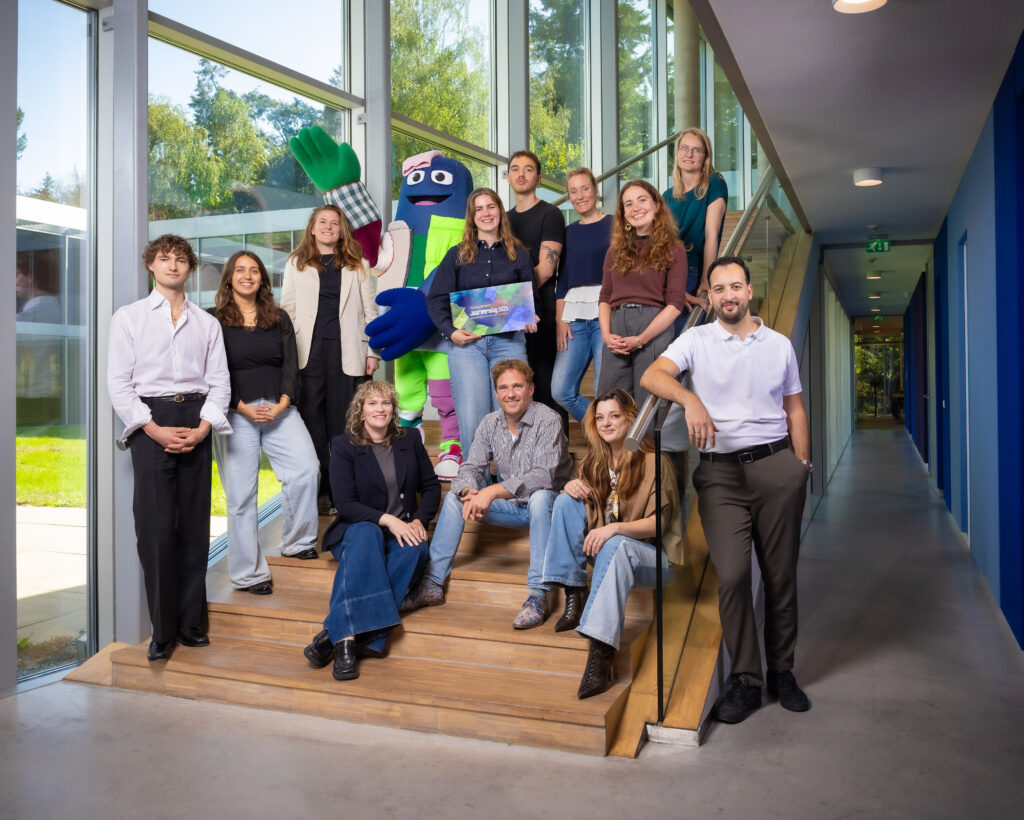
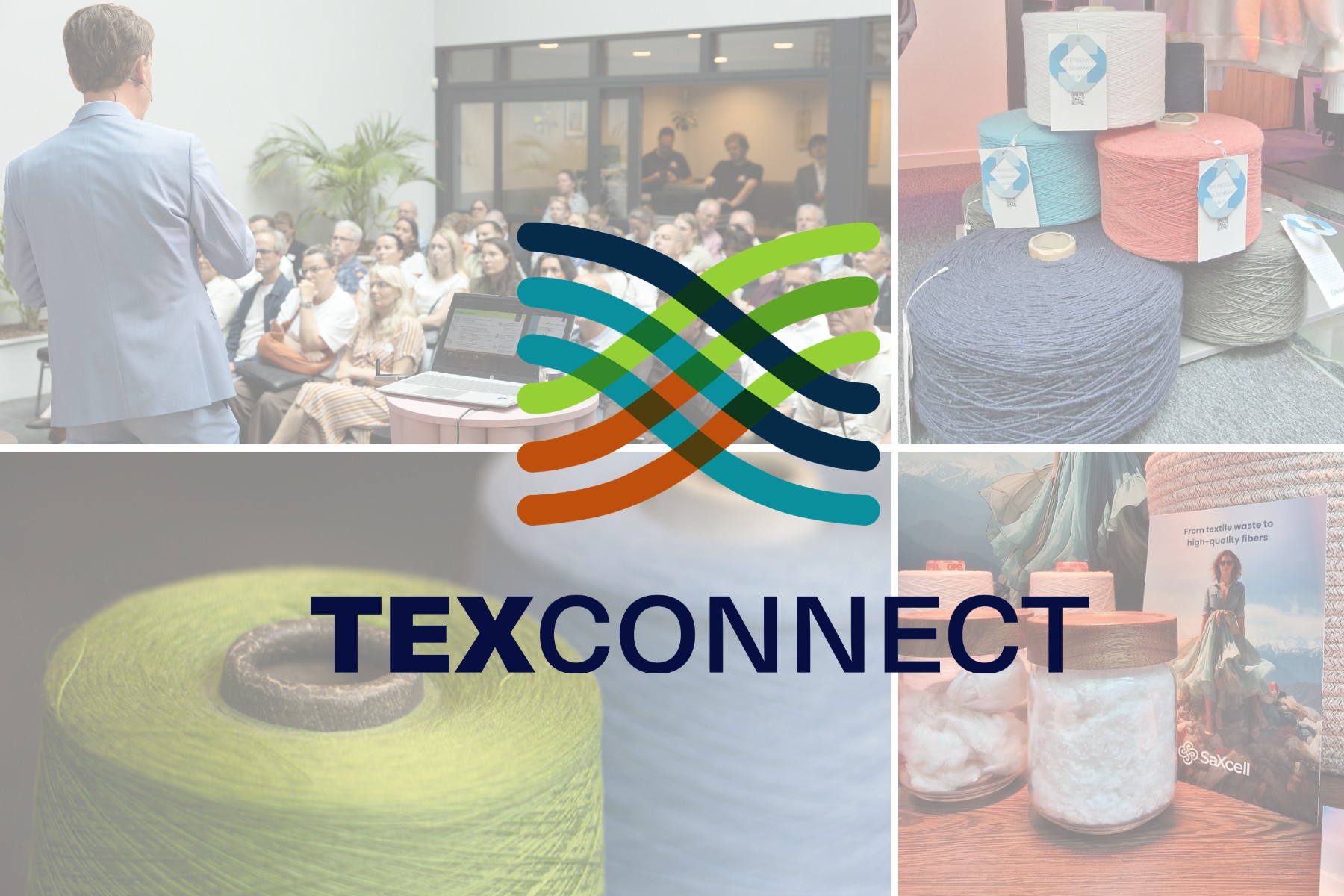
21 juli 2026 – The first edition of TexConnect took place on Thursday, July 9. During the event, we reflected on the results achieved against the statutory targets during the 2025 learning year and on the lessons learned throughout this first year of implementation. Producers, service providers and other value chain partners also came together to discuss both the challenges facing the textile sector and the opportunities to accelerate the transition towards a circular textile industry. A pop-up showroom showcased innovations in high-quality textile reuse and fibre-to-fibre recycling.
Following opening remarks by Joris Aperghis (Stichting UPV Textiel) and Jeroen Markink (Wibra), a range of speakers shared their practical experiences. Henriette van Beynum (Beddinghouse) and Julien Baart (Garcia) presented real-world examples illustrating both the opportunities and the challenges of incorporating post-consumer recycled (POCR) materials into textile products. Their examples demonstrated that significant progress is already possible, while also highlighting that further scaling requires collaboration and a sufficient supply of high-quality recycled feedstock.
During the panel discussion, from Ambition to Scale, moderated by Kiki Boreel, producers, service providers and other value chain partners explored the next steps for textile-to-textile recycling. The panellists discussed how organisations can make better use of existing value chains and emphasised that collaboration across every stage of the supply chain is essential to achieve further scale.
The pop-up showroom featured innovations in high-quality textile reuse and fibre-to-fibre recycling from Vodde, SaxCell, REMOKey, Wolkat, Frankenhuis, Garcia and CompanyFits. Visitors had the opportunity to explore these solutions up close, ask questions and establish new connections.
The key message of the day was clear: start taking action with the solutions that are already available. Build on existing partnerships, share knowledge and work together to scale up further. By doing so, the sector can accelerate the transition towards a circular textile value chain.
You can view this embedded content after agreeing to cookies from YouTube.