Main and reuse targets EPR for Textiles achieved
8 september 2026 – The statutory 2025 main target for preparing textiles for reuse and recycling has been met. The amount of textiles reused also significantly exceeded the statutory requirement. At the same time, the first year of implementation has highlighted areas where the EPR system still needs improvement. The results and insights have been published today in the 2025 Annual Report.
Of the textiles placed on the market by our participants, 51% was prepared for reuse and recycling, meeting the statutory target of 50%. The reuse target was also comfortably exceeded: 37% of the sorted textiles were given a second life, compared with the required 20%. These results were achieved thanks to the strong collaboration between producers, municipalities, collectors, charity shops and reuse organisations, sorters and recyclers.
First year of statutory targets
2025 was the first year in which producers were required to meet the statutory targets under EPR for Textiles. In addition to the reuse and recycling targets, specific targets apply to reuse in the Netherlands and fibre-to-fibre recycling. Further progress is needed in these two areas: the share of reuse in the Netherlands was 5%, against a target of 10%. For fibre-to-fibre recycling, 14% was achieved, compared with the required 25%. These results provide valuable insights into where improvements can be made.
Foundation for a future-proof EPR for Textiles
During the first year of implementation, we also took important steps to further strengthen the implementation of EPR for Textiles.
Together with our value chain partners NVRD, BKN and VHT, we developed a certification scheme and a monitoring system to increase transparency throughout the value chain. We also introduced a compensation scheme to address funding gaps in the value chain and encourage textile-to-textile recycling.
We launched the nationwide public awareness campaign ‘Niet dumpen, wel droppen’, encouraging people to dispose of their textiles correctly. In addition, we invested in innovation in textile collection and recycling through a range of pilot projects.
Three fundamental flaws need to be addressed
The first year of implementation has delivered not only results, but also important insights for the further development of EPR for Textiles. We are taking action ourselves where possible and are calling on the government to address bottlenecks that require changes to the system.
We have identified three fundamental flaws. First, there is a lack of uniform and workable minimum requirements for producers and producer responsibility organisations. As a result, different parties can interpret the same core statutory obligations differently, creating an uneven playing field.
Second, the statutory targets are not sufficiently aligned with what is achievable in practice. Finally, the regulations do not yet take sufficient account of the international nature of the textile value chain.
Annual Report presented to the House of Representatives
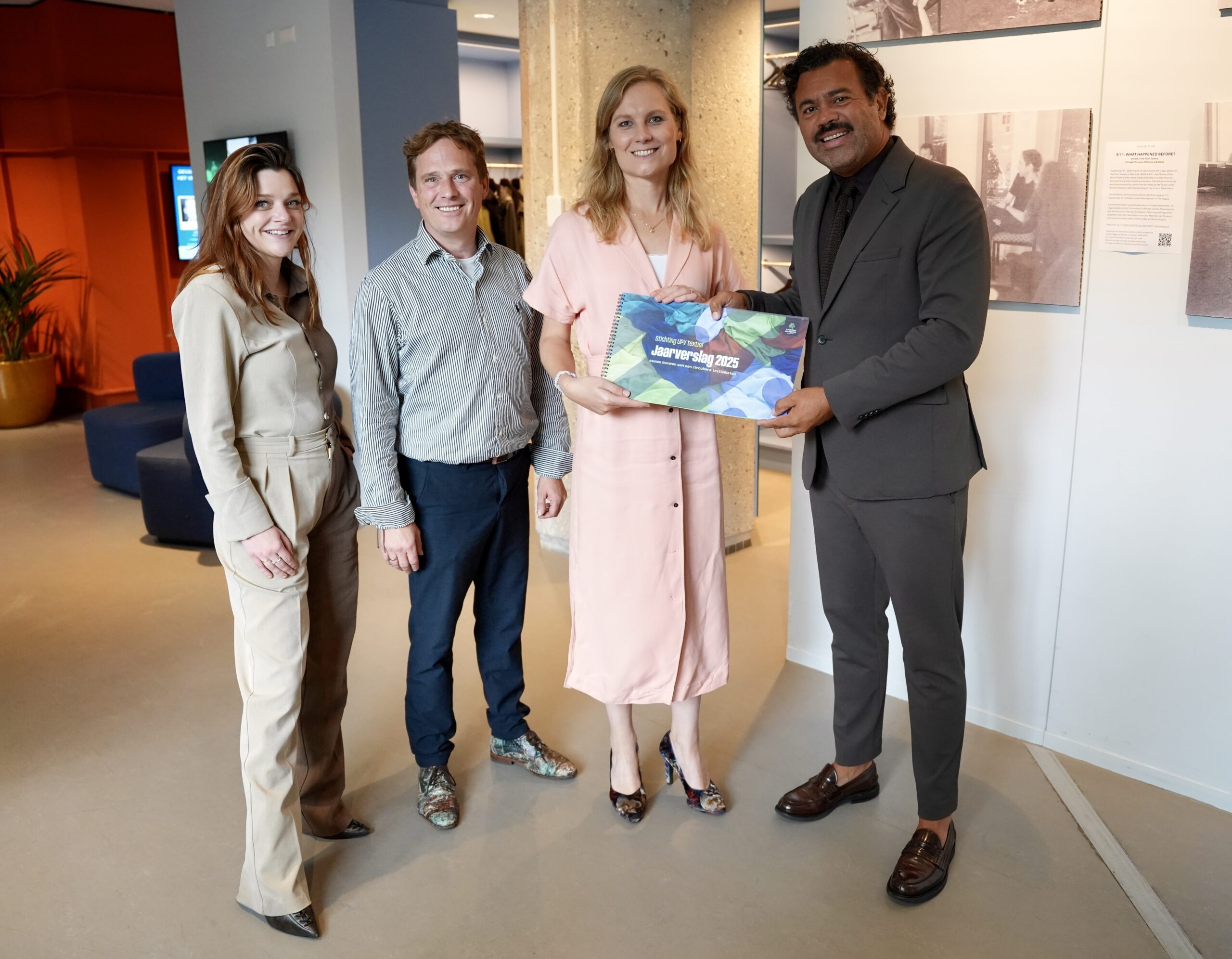
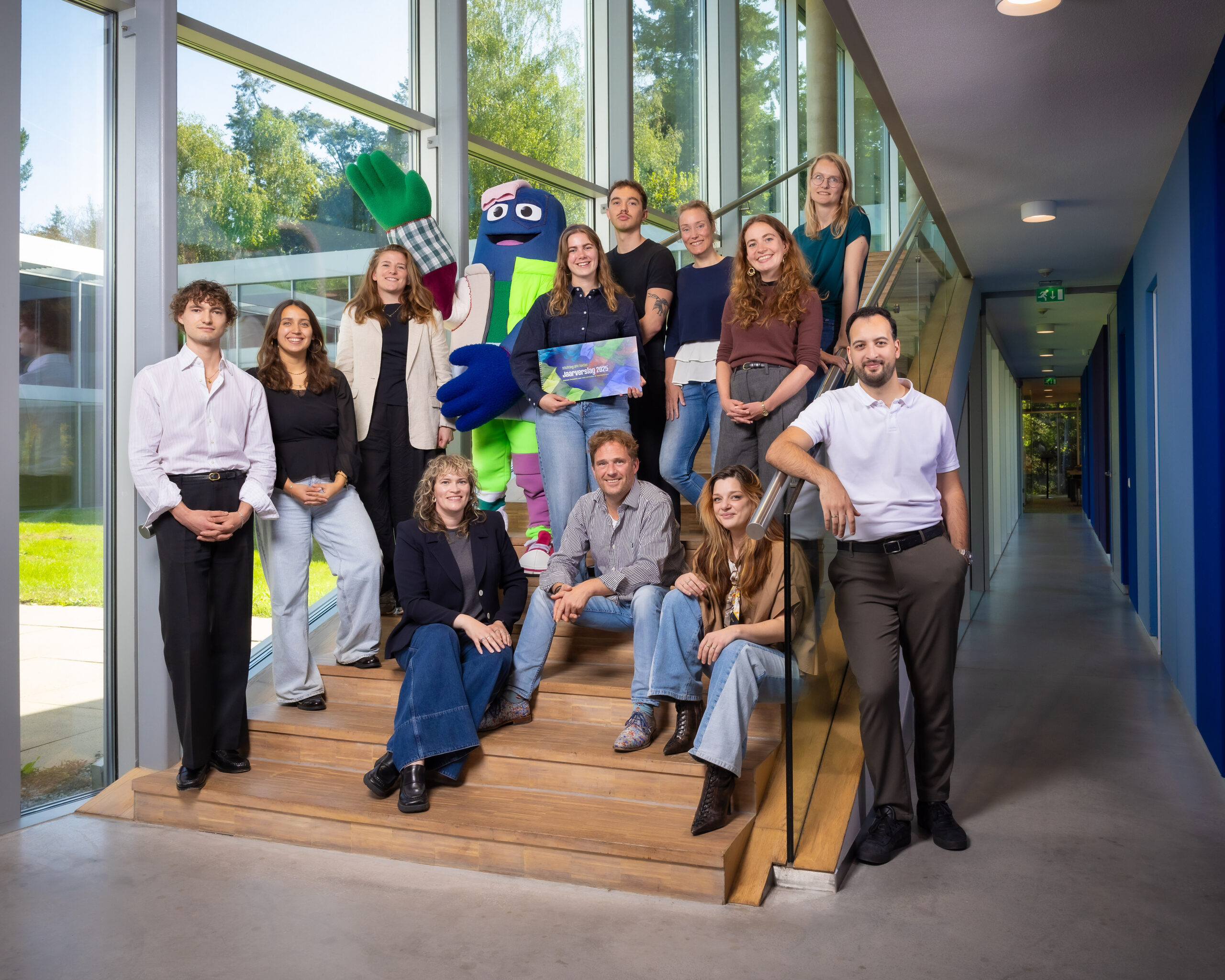
To draw attention to these flaws, we presented our Annual Report to Jantine Zwinkels, Chair of the House of Representatives’ Standing Committee on Climate and Green Growth. We are calling on the government to address the fundamental flaws identified in the upcoming debate on circular textiles. This will help ensure that, in the longer term, the system can continue to contribute effectively and efficiently to accelerating the transition towards a circular textile value chain.